The useful answer is a range tied to a viewer job
A cold homepage visitor may give you 45 to 90 seconds to establish the problem, the product's role and a reason to continue. A qualified buyer may watch a two-to-four-minute workflow demonstration because the detail helps evaluation. A signed-in user may prefer several focused clips over one comprehensive tour. Runtime is a distribution decision before it is an editing decision.
The common 60-to-90-second answer is a reasonable constraint for many top-of-funnel explainers, but it is not a law. A clear 110-second story can outperform a rushed 60-second feature list for the communication job, while a 45-second homepage film can still be too long if the first 15 seconds say nothing useful.
Ask three questions before setting the duration
First, what does the viewer already know? A person discovering the category needs a mental model. A person comparing vendors needs evidence of the workflow. Second, where will the video appear? Attention on a homepage, sales email, product page and help centre is not interchangeable.
Third, what must happen after viewing? If the next action is read the page or request a demo, the video can deliberately stop before operational detail. If the action is complete a setup task, the video must show enough sequence to support that action. Duration follows the amount of explanation the action requires.
What the Krista.ai work taught us
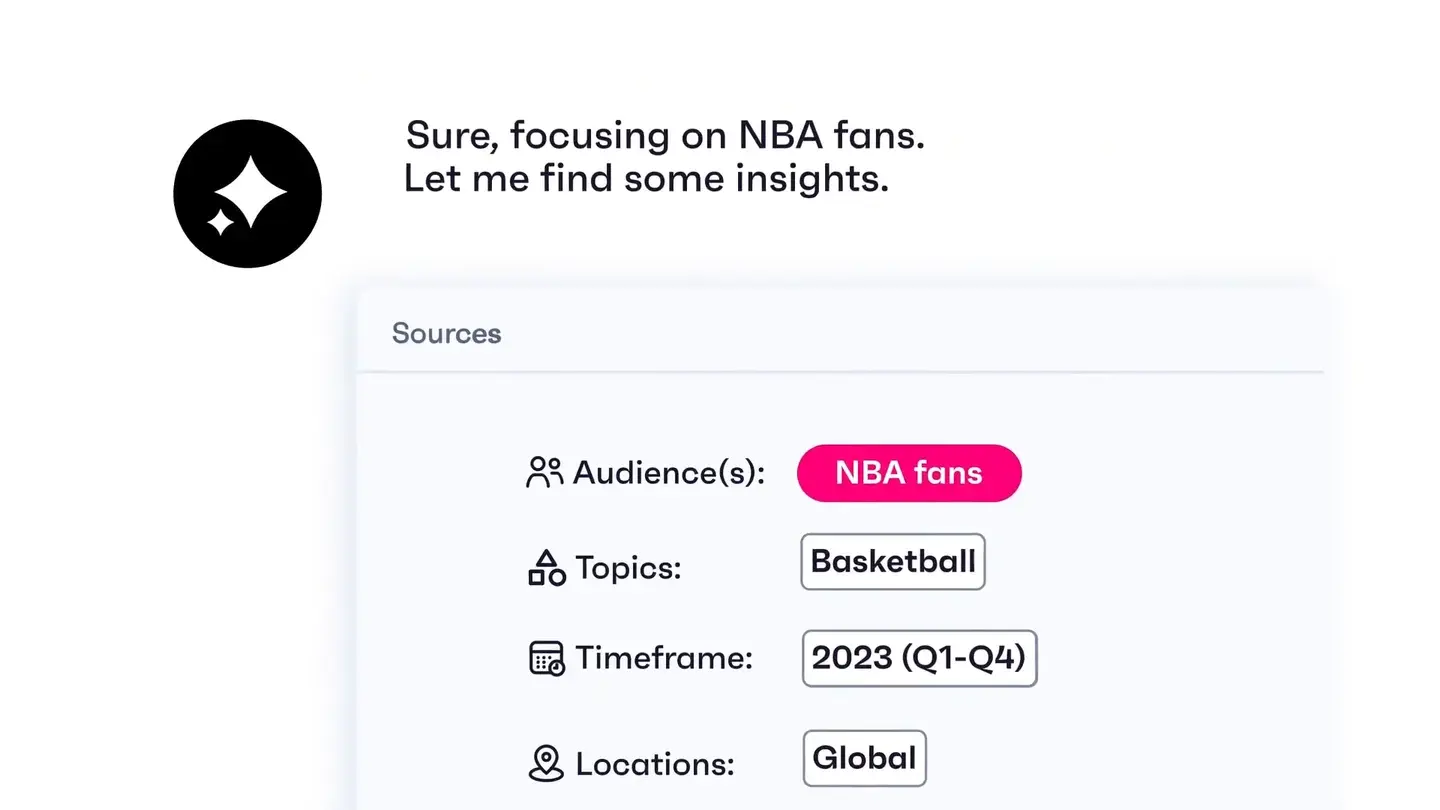
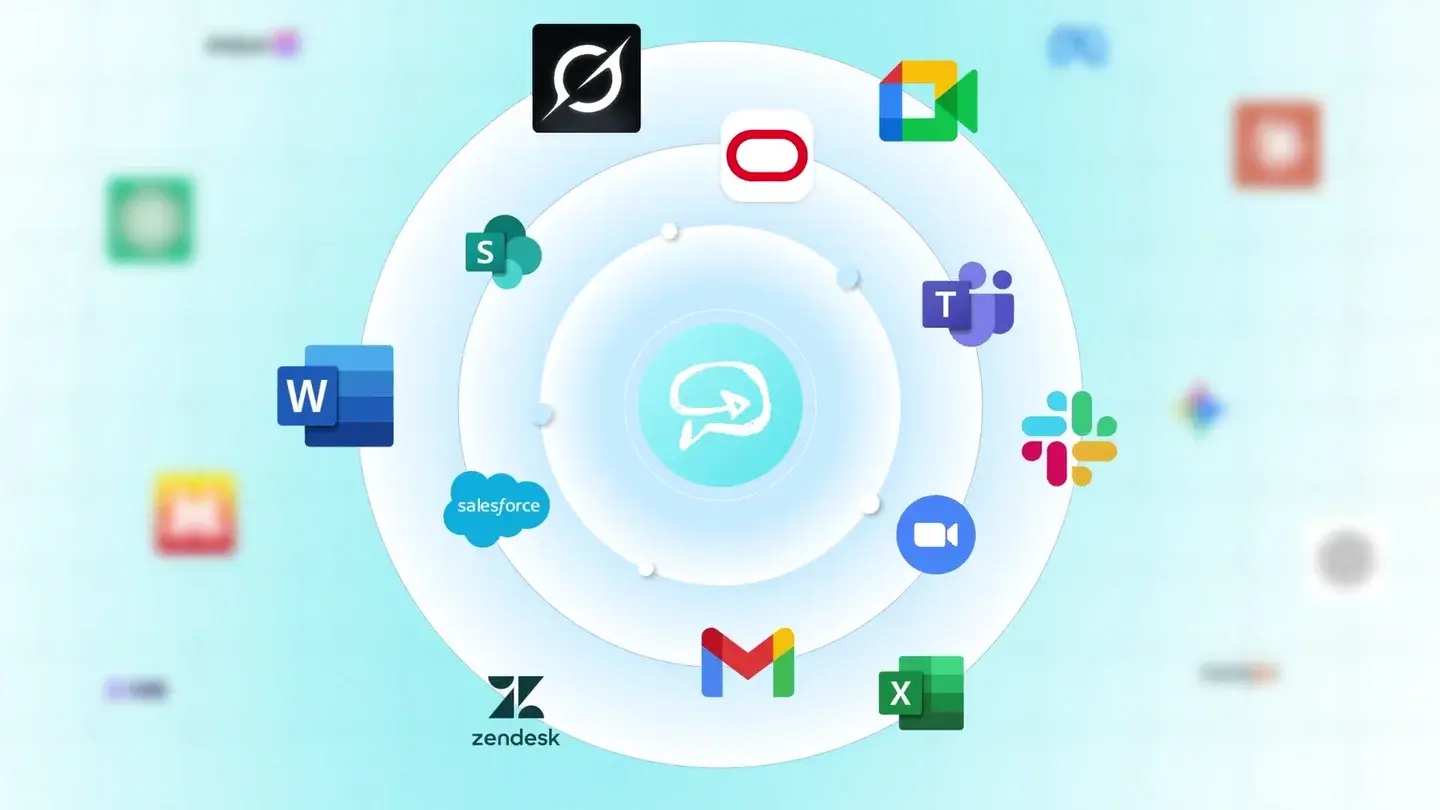
With Krista.ai, the challenge was not simply to show interface screens. The product story had to move from a human request into a workflow, then make system behavior visible that a normal screen recording could not explain on its own. Motion earned time by clarifying relationships.
That does not mean every feature belongs in one film. A useful explainer selects product moments to create the mental model, while demonstrations and follow-up videos can handle evaluation and use. Trying to make one asset perform every job normally creates a long video that still feels incomplete.
Cut by removing jobs, not shaving every sentence
When a script is too long, teams often compress the voiceover until the viewer cannot process it. A better edit removes a secondary audience, a parallel use case or a detailed proof sequence that belongs elsewhere. The goal is not maximum information per second. It is a usable understanding.
Make the first 20 seconds survive without company history. Let each screen or motion beat answer a question. Test the muted version for a landing-page placement. If a scene can be removed without changing the viewer's mental model or next action, it has not earned the runtime.
One master should lead to a small system
Plan the homepage version, a sales follow-up, focused use-case clips and onboarding modules as related assets. The flagship narrative can establish the model, then narrower videos reuse approved language, visual components and product captures for different levels of intent.
This approach protects the explainer from carrying the entire funnel. It also makes runtime conversations more useful: instead of asking how to fit everything into 90 seconds, the team decides which job deserves which piece.