The difference is the viewer’s question
A product explainer answers: why should this product matter to me, and how should I think about it? A product demo answers: what happens when someone uses it? The formats overlap, but they begin at different levels of awareness.
An explainer usually selects product moments to support a narrative. A demo usually follows the product’s actual sequence in more detail. One creates a mental model. The other creates operational confidence.
Choose an explainer when the category or value is hard to see
A software buyer may understand every screen and still miss the significance of the workflow. This is common when the product changes work across several systems or makes invisible automation possible.
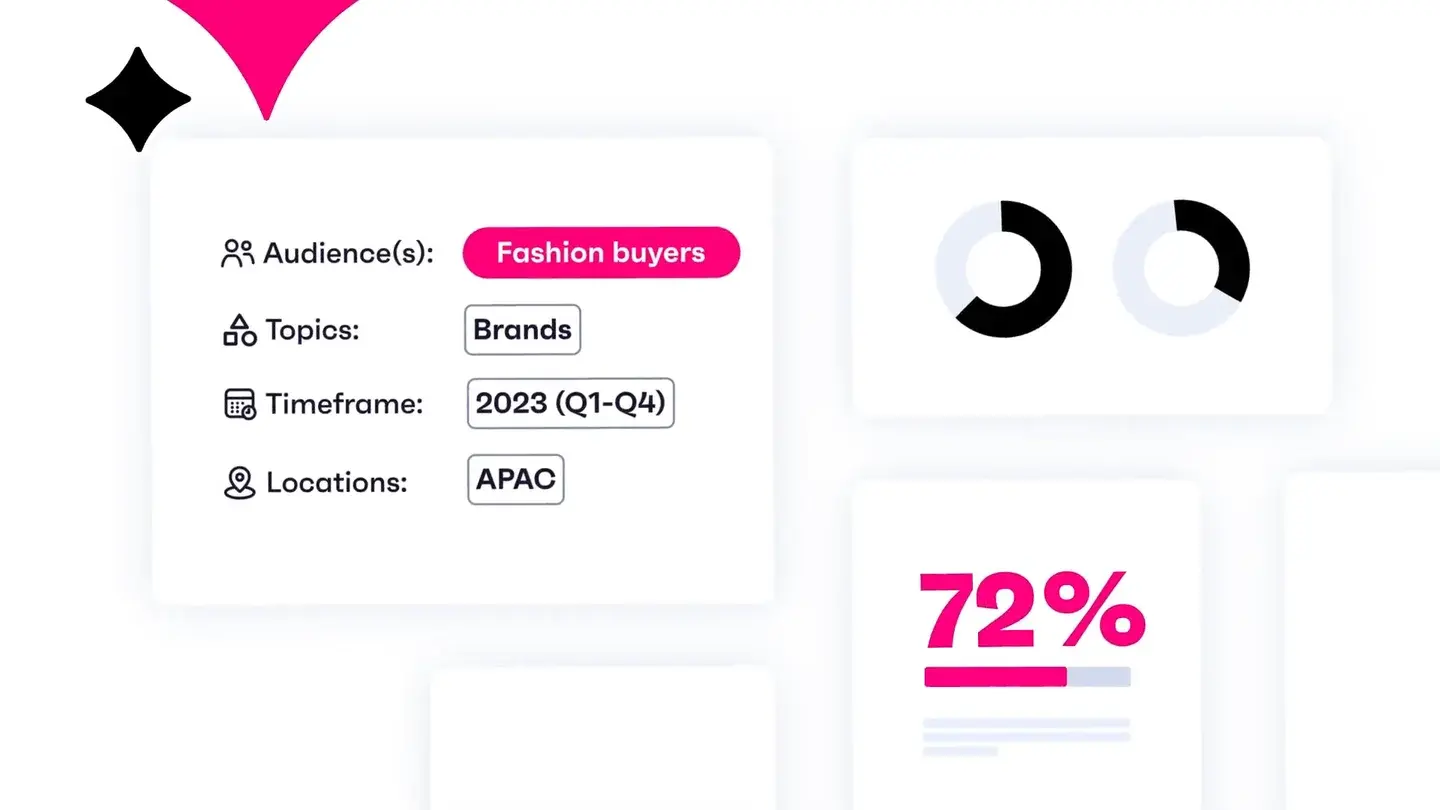
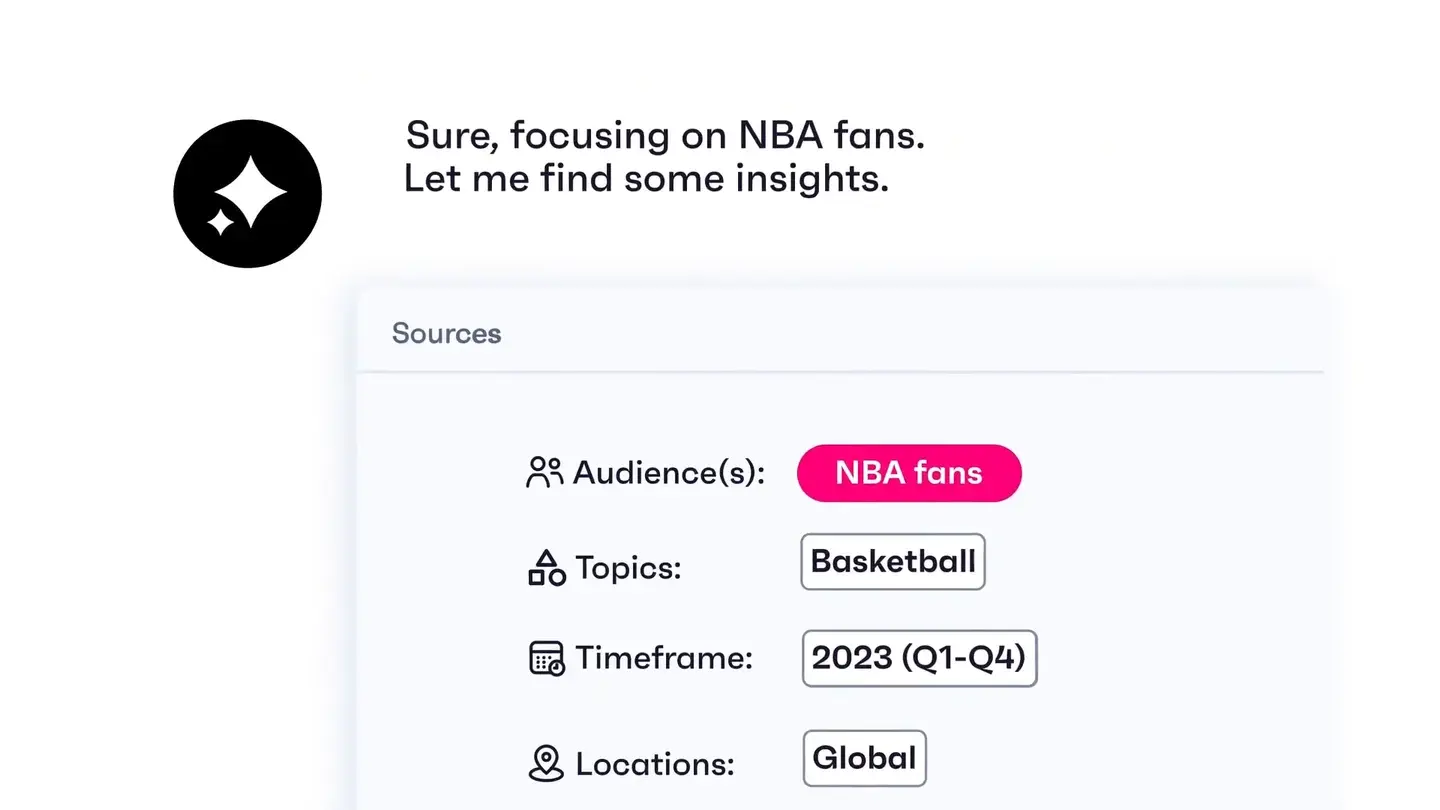
For Krista.ai, the product story needed to begin with a human problem, move into a visible workflow and then clarify system behavior that a normal screen recording could not show. Motion was useful because it explained relationships, not because the video needed decoration.
- The product creates a new category or unfamiliar way of working.
- The value spans several screens, users or systems.
- The homepage needs a concise overview before deeper evaluation.
- The buyer must understand the problem differently before features feel relevant.
Choose a demo when the buyer needs evidence of the workflow
A demo is stronger when the viewer already understands the value proposition and wants to verify usability, sequence or depth. Sales teams may use it after an initial conversation. Product teams may use it for onboarding or feature education.
Good demos are still edited. They remove irrelevant setup, focus the cursor and visual hierarchy, clarify state changes and make the user’s action easy to follow. A raw screen recording is evidence that the product exists. It is not automatically a useful demo.
Let the channel decide the level of depth
A homepage visitor, launch audience, sales prospect and new user arrive with different questions. The same product footage can support each audience, but the narrative and depth should change.
A broad 90-second overview can help a homepage establish the product’s mental model. Three focused 30-second videos can be stronger for demand generation because each addresses one problem. A longer guided demo can support sales evaluation. The right answer is often a sequence, not a single universal asset.
- Homepage: explain the category, value and one representative workflow.
- Launch: connect the new capability to a timely user problem.
- Sales: demonstrate the use case relevant to the prospect.
- Onboarding: teach the exact steps required for successful use.
Do not turn the video into a feature list
SaaS videos often become crowded because every team wants its feature included. The result may be accurate but difficult to remember. Use one audience, one pain and one belief as the filter, then select the product moments that prove that belief.
This does not hide product depth. It gives the depth an order. A focused explainer can lead to demos for specific workflows. Focused demos can lead to help content for exact operations. Each asset earns the next level of attention.
When a hybrid works
Many SaaS companies need an explainer with a short demonstration inside it. The opening establishes the problem and value. The middle shows a representative workflow. Motion clarifies system behavior or transitions that the interface alone cannot communicate. The ending tells the viewer what to do next.
The test is whether each product shot is proving the narrative or merely filling time. If the viewer can understand the promise but cannot believe it, add a demonstration. If the viewer can follow the clicks but cannot explain why they matter, add an explainer layer.
What to put in the brief
Before choosing a format, define the viewer, their current level of awareness, the channel, the belief that should change and the product moment that best proves the claim. Share the real interface and any limitations that must remain accurate.
FDM can then recommend whether the first asset should be an explainer, a demo or a small system of related videos. Format should follow the buyer decision, not the other way around.