
Start with the patient's question, not the organisation's introduction
A patient-education video script should answer one practical question in language the intended viewer understands. State the purpose, explain the necessary information in manageable steps, show what those steps mean and finish with an approved next action. Clinical instructions and claims must come from qualified reviewers, not the production team.
This guide is about communication and production, not medical advice. A video explaining an appointment process is different from one explaining treatment, medicine use or symptoms. Do not copy a generic template into a clinical topic without the appropriate subject review.
Write for one viewing situation
Name the viewer and the moment: someone preparing for a first visit, a caregiver reviewing information afterwards, or an existing patient trying to use a portal. Write down what they already know and what they should be able to understand or do next. A video for all patients at every stage usually becomes a compressed brochure.
CDC's plain-language guidance recommends putting the important information first, choosing familiar words and organising information around the audience. Applied to video, that means an opening that answers 'Why am I watching this?' before a long logo animation or institutional history.
Do not simply replace medical words with shorter words and assume the job is done. A familiar term can still be confusing without context. If a technical term is necessary, ask the clinical reviewer for an accurate explanation and show the relationship it describes.
Use a script with a visual and a review note for each beat
Write three columns: what the viewer hears, what they see and what needs to be checked. This prevents the storyboard from becoming an afterthought. The review note should identify the source or owner of an instruction, especially where a phrase could affect how someone acts.
Our suggested sequence is: viewer question, direct answer, necessary steps, important limits, next action and comprehension prompt. It is a working editorial structure, not a clinical standard. Some subjects need a different order, and some should not be compressed into one short film.
Read the script aloud with the planned visuals. If a label appears and disappears before it can be understood, simplify the scene or allow more time. Cutting the voiceover faster can make a video shorter while making the information harder to use.
Worked example: finding appointment details in a portal
The following is a fictional, non-clinical example. It demonstrates the structure, not the steps in any real hospital's portal. Replace every interface label and support route with the organisation's current, approved information before filming.
Opening: 'Looking for the time and location of your next appointment? This video shows where to find them in the patient portal.' Visual: a clean demonstration account with no real patient details. Review note: confirm the intended portal and supported device.
Main sequence: 'After signing in, open Appointments. Select your upcoming appointment to see its details.' Visual: show each real action at a readable size. Review note: verify the labels and whether this path applies to the intended users.
Limit and next step: 'If the details are missing or do not look right, use the support contact shown on your appointment letter.' Visual: an approved example letter with a placeholder contact clearly identified in the draft. Review note: replace the placeholder and confirm the correct help route. Do not invent clinical preparation advice to fill the ending.
Ask what the viewer understood, not whether they liked it
Show the rough version to intended viewers where practical. Ask them to describe what they would do next and point to the information they would use. If several people misunderstand the same step, revise the explanation before polishing the animation. Their difficulty is information about the film, not a failure by the viewer.
AHRQ describes teach-back as checking understanding by asking people to explain information in their own words. A recorded video cannot conduct a clinical teach-back conversation by itself. The relevant production lesson is to test understanding during development rather than relying on 'Does that make sense?'
Record what changed after the test: a label enlarged, an unexplained term removed or an instruction moved earlier. This gives reviewers something concrete to assess. It is more useful than a general request to make the film friendlier.
Plan captions and meaningful visuals before the final export
W3C's accessible-media guidance covers captions, transcripts and ways to make essential visual information available. Decide what your audience needs during planning. A caption file should be checked against the final audio, including names and terminology; automated output is a starting point, not a completed quality check.
Do not place a vital instruction only in a small visual label. Consider how someone will receive the information if they cannot see that label or cannot hear the narration. Review language versions with appropriate language and subject expertise. This is a production checklist, not a claim that adding captions alone establishes accessibility compliance.
What the Mega We Care work helps illustrate
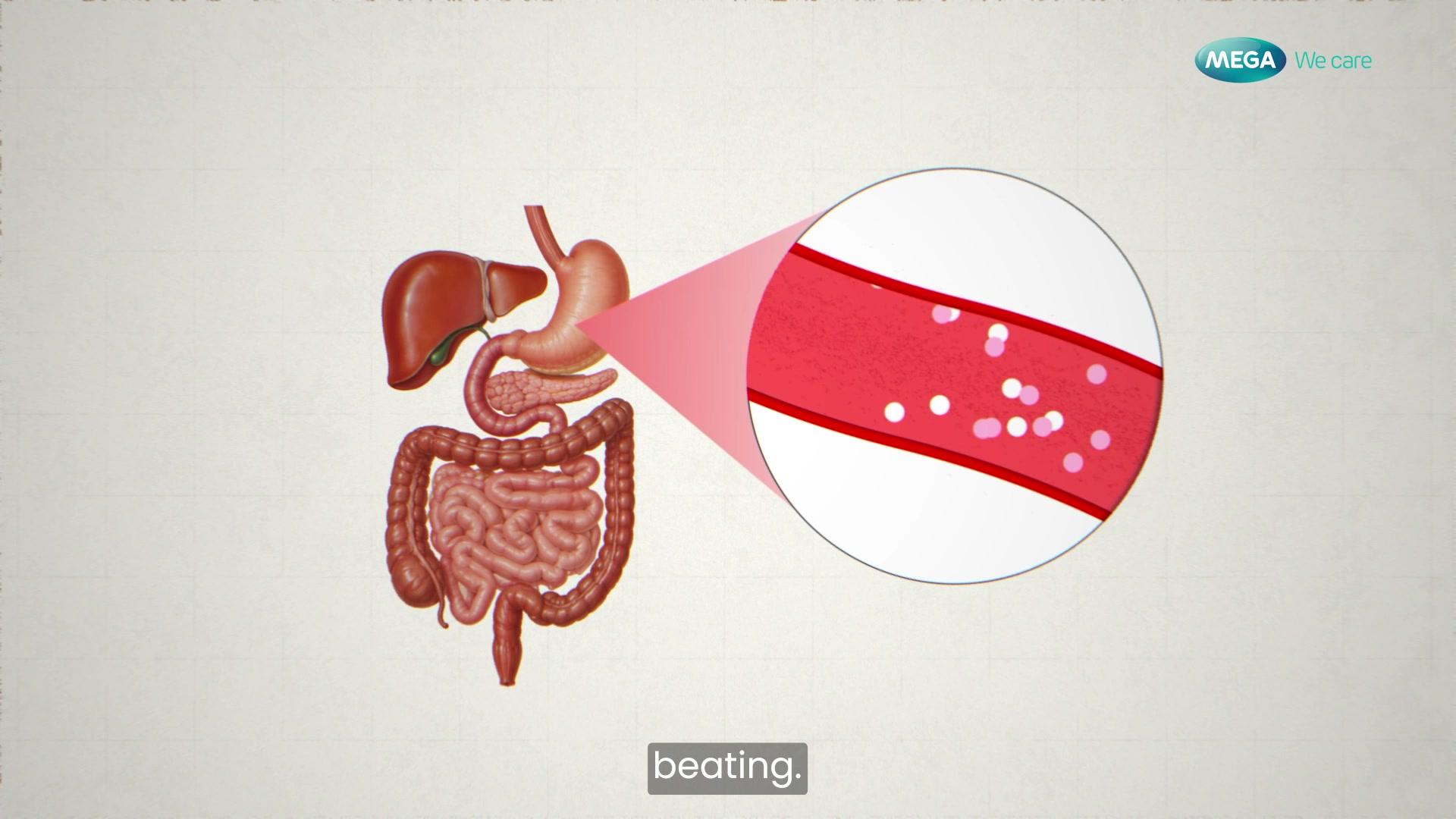
FDM's Mega We Care portfolio includes explanatory animation and expert-led education. The distinction is useful when scripting: an unseen relationship may benefit from a visual explanation, while a speaker-led piece needs an edit that preserves the expert's meaning. Neither format should be chosen only because it looks more expensive.
Before commissioning production, bring an approved information source, the intended audience, a named subject reviewer and the destination for the video. Start with one representative script and visual treatment. Make sure it works before repeating it across an education library.
Sources and references
- Plain Language Materials and Resources · CDC · Checked 2026-09-18
- Use the Teach-Back Method: Tool 5 · AHRQ · Checked 2026-09-18
- Making Audio and Video Media Accessible · W3C · Checked 2026-09-18