Choose for the explanation, not the look
Use animation when the viewer needs to see a mechanism, sequence or relationship that a camera cannot show clearly. Use an expert interview when understanding depends on explanation, nuance and a credible human voice. Use a hybrid when the expert needs visual support. None of these formats makes an unsupported health claim acceptable.
Before asking for an animation quote, finish this sentence: “After watching, this audience should be able to…” Recognise a symptom worth discussing, understand a treatment process and operate a device are different jobs. They should not automatically get the same format. This guide concerns communication and production decisions, not medical advice or regulatory approval.
A patient and a clinician do not need the same film
The CDC Clear Communication Index starts with audience, communication objective and main message. That is a useful discipline for a video brief: decide what the viewer already knows and the one idea they should leave with before choosing the visual treatment.
Illustrative example: a general audience learning how a nutrient is absorbed may benefit from a labelled anatomical sequence. A clinician evaluating evidence needs a different level of qualification and detail. Reusing the same colourful sequence with a more technical voiceover does not automatically make it suitable for both audiences.
When animation earns its place
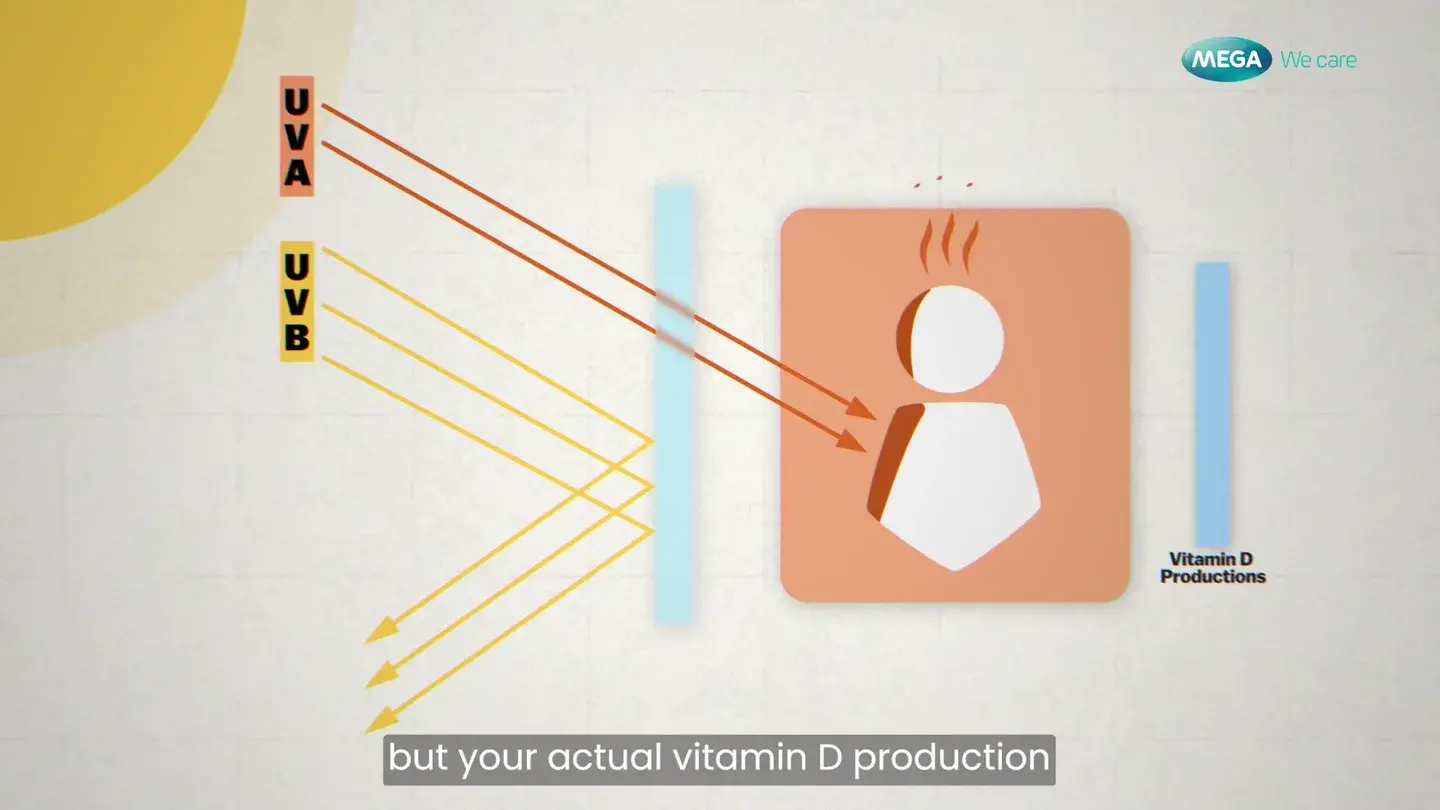
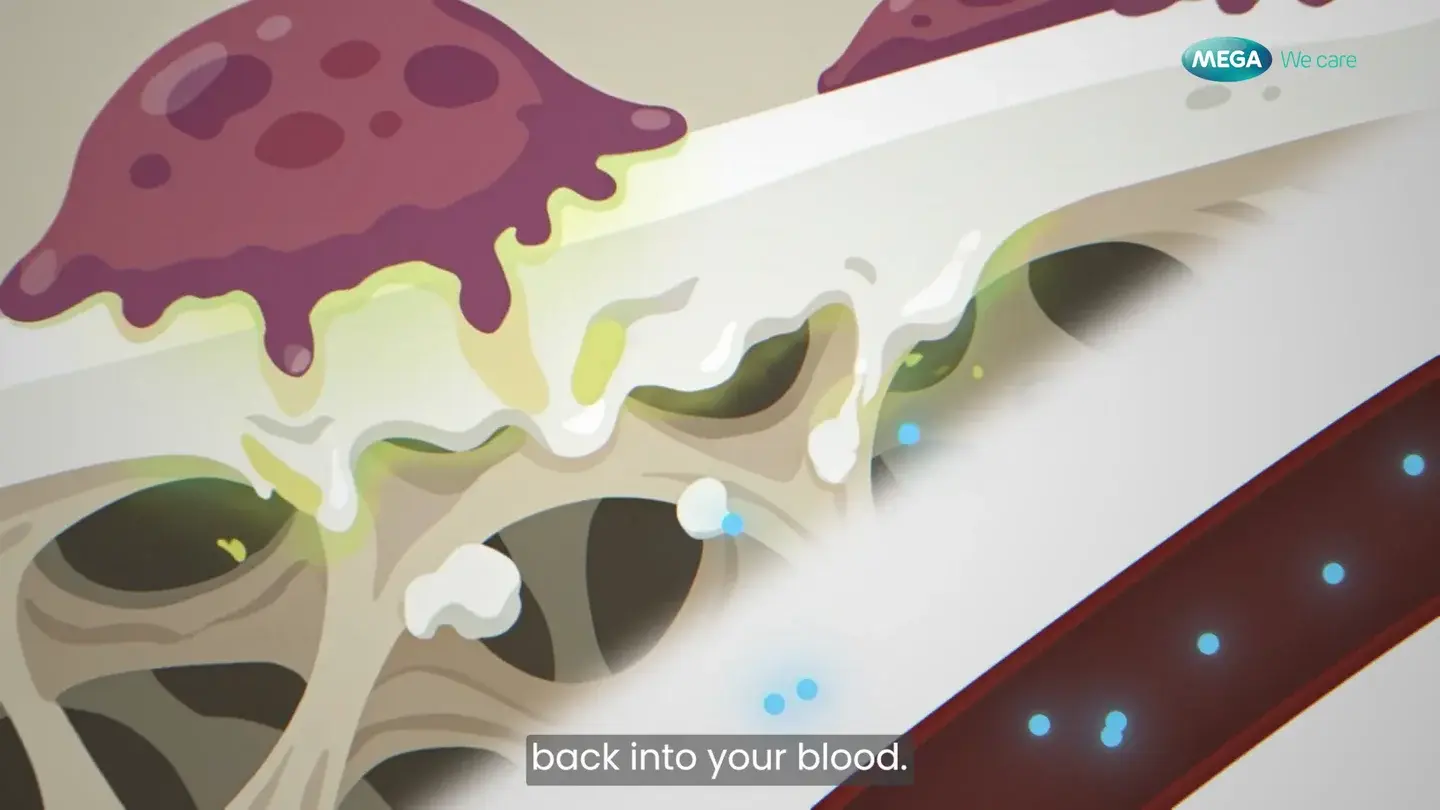
Animation is strongest when its movement is doing explanatory work: tracing a route, separating stages, comparing states or making a scale change visible. If the graphic merely repeats the speaker’s sentence in moving text, ask whether a simpler title would do the job.
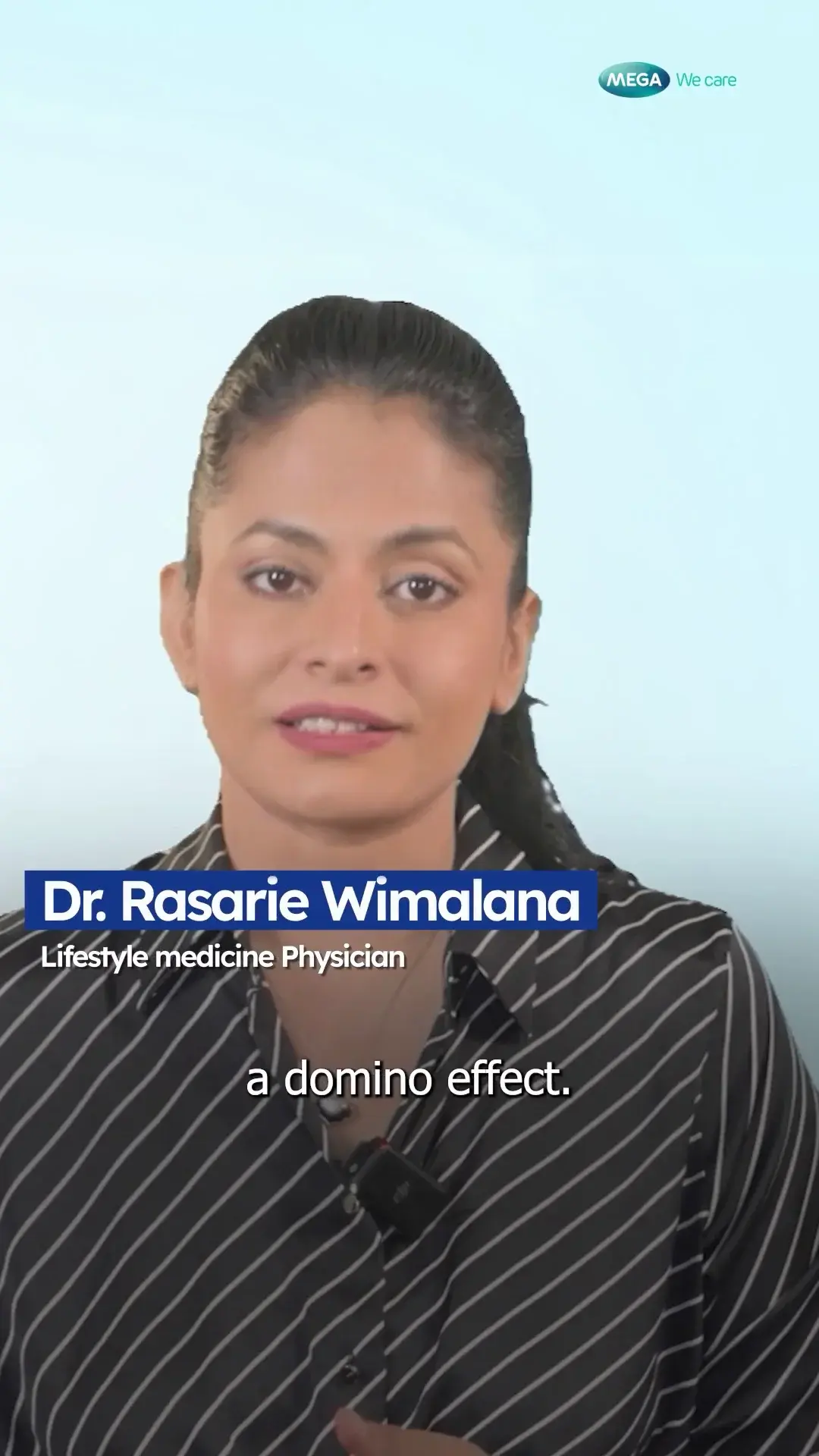
At FDM, the Mega We Care portfolio includes animated health education alongside doctor-led content. The Vitamin D work is a concrete example of using visual explanation for a subject a talking head alone cannot show. That demonstrates a format choice, not a measured improvement in health outcomes.
Animation also creates review obligations. A medical reviewer should see labelled storyboards and the proposed narration before detailed movement is built. Ask whether colour implies healthy versus unhealthy, whether scale could mislead and whether the animation shows causation the source does not establish.
When the expert should remain on screen
Keep the expert visible when their reasoning matters: what a term means, why an answer depends on context, or which misconception needs correcting. A useful interview is not just a source of sentences to decorate. Its structure should make the explanation followable without requiring the viewer to infer the missing question.
In a hybrid edit, keep important qualifications with the claim they qualify. Do not cut “in some cases” from the spoken sentence because it slows the opening, then hide the qualification in a small end card. If a short excerpt no longer makes sense without the preceding answer, it needs a different opening or should remain in the longer film.
Review meaning before polish
Use three review passes: first the claims and script, then the storyboard or interview selection, then the finished edit. Assign a named subject reviewer and a named final decision-maker. This is a suggested production sequence, not a substitute for the organisation’s medical, legal or regulatory process.
Accessibility belongs in the brief. Plan captions, and consider a transcript and descriptions of essential visual information. W3C guidance distinguishes these needs rather than treating a subtitle file as a complete accessibility solution. A diagram essential to the argument needs to be understandable beyond its appearance alone.
- Confirm who approves the wording and the visuals.
- Keep claim sources and versions attached to the script.
- Check labels at the actual mobile playback size.
- Ask a representative viewer what they understood, not just whether they liked it.
What to send before production starts
Send the audience definition, intended use, approved source material, one main message, reviewer names and where the video will appear. Include existing footage and any terminology that must remain exact. Do not commission three minutes simply because the previous project was three minutes.
If the budget cannot support a fully animated film, a tightly structured expert interview with a few accurate diagrams can be a better choice than a rushed animation. Conversely, paying for a shoot may be unnecessary when the central explanation is an invisible process. Buy the format that solves the comprehension problem, then spend on the parts that carry it.
Sources and references
- How to use the Clear Communication Index · CDC · Checked 2026-09-10
- Making audio and video media accessible · W3C · Checked 2026-09-10
- Mega We Care health education work · FDM · Checked 2026-09-10