Clarity removes avoidable effort, not necessary depth
A clear healthcare video can retain terminology, qualification and uncertainty when those details matter. The production task is to give the viewer a usable path through them. Simplistic content removes complexity from the subject. Clear content removes confusion from the presentation.
Start by defining the audience's existing knowledge and the one question the piece answers. A public audience, patient community, healthcare professional and internal medical team need different context. Trying to address all of them equally normally makes the expert sound both dense and vague.
Reveal the reasoning in a deliberate order
Move from the recognizable question to the underlying mechanism, practical implication and boundary. If the expert jumps between these layers in conversation, editing can reorder complete thoughts while protecting meaning. Use chapter cards or spoken signposts so the viewer knows which layer they are hearing.
Do not front-load every definition. Introduce a term when the viewer needs it and keep the definition visible long enough to process. A glossary may belong beside the video rather than inside every sentence.
Use visuals to hold relationships
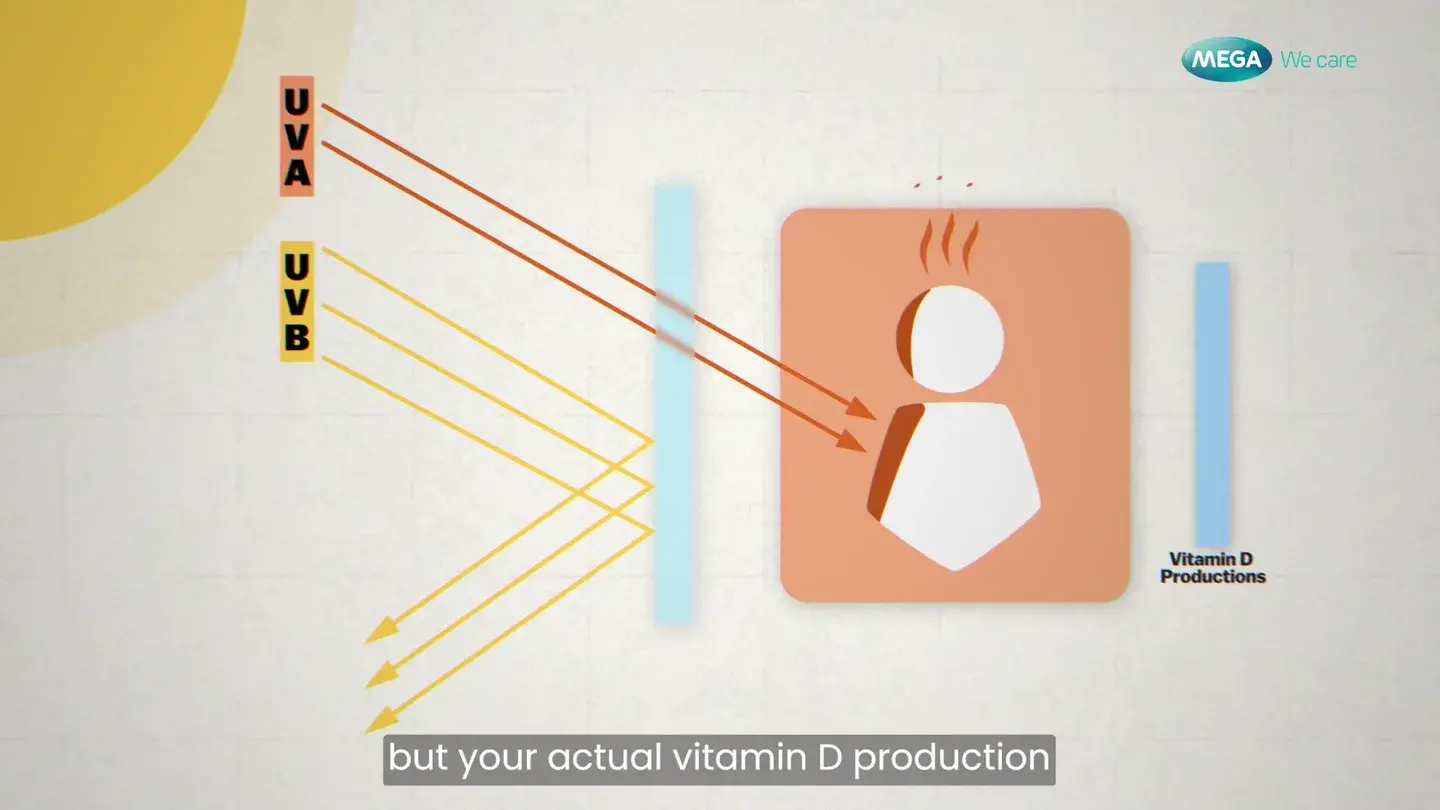
Motion is useful when it shows sequence, comparison, cause or hierarchy. A label beside the expert can define a term. A simple diagram can keep several related ideas visible while the voice continues. Generic wellness footage often adds production value without adding understanding.
With Mega We Care work, the principle is to let expert authority lead while editing, captions and graphics organize attention. The visual layer should not claim more certainty than the expert or imply a mechanism that the source does not support.
Edit for thinking time, not only speed
Remove repetition and verbal clutter, but keep the pause a viewer needs after a dense idea. Short-form pacing conventions can make an expert sound more decisive while leaving the audience less able to follow. Readability and comprehension should govern caption density and cut frequency.
Test the muted version for captions, but also listen without looking. If the argument only makes sense because a graphic introduces new information not present in the approved script, that information needs the same review as the spoken content.
Review with the intended audience question
Ask reviewers to flag where they lost the thread, where a term arrived too early and where an edit changed the strength of a statement. Do not ask only whether they liked the video. Medical review protects accuracy, while audience review exposes avoidable cognitive load.
The final question is not whether every viewer understands every dimension of the subject. It is whether the intended viewer can follow this specific explanation without being misled about its limits.