
01
A launch everyone saw, explained
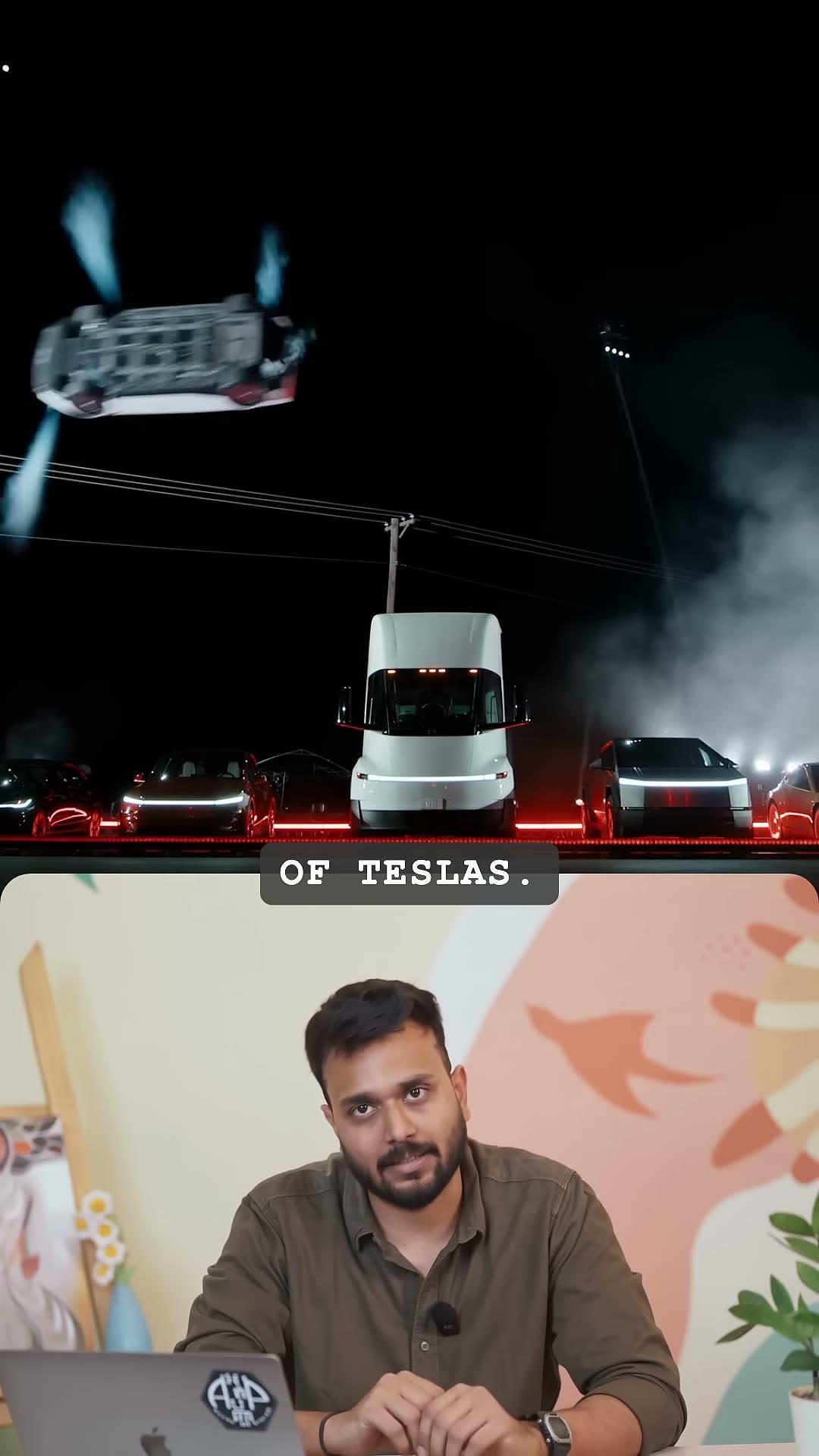
Tesla's flying Roadster, broken into two systems: fans that hold it down and compressed-air thrusters borrowed from rockets.
Watch the episode ↗Explainer Shorts
This is the system behind our own channel, Raksham Explains: a topic people are talking about, explained in about a minute, with graphics that make it click. Your founder or expert records about 10 minutes once and tells us their subject. We find the topics, write the scripts and build every episode: presenter, B-roll, animation, text, music, sound and captions.
Made by FDM for our own channel, Raksham Explains
What your expert does
10:00One recording, talking to the camera, plus the subject they want to be known for.What FDM does, every week
Inside one minute
Every episode is built on the same edit system we use for Raksham Explains. The presenter carries the voice and the trust; B-roll, animation, text, music and sound effects carry the idea.
Hover a track to see what goes into it.
Your expert, from the one recording Everything else: FDM
Recent episodes
01
Tesla's flying Roadster, broken into two systems: fans that hold it down and compressed-air thrusters borrowed from rockets.
Watch the episode ↗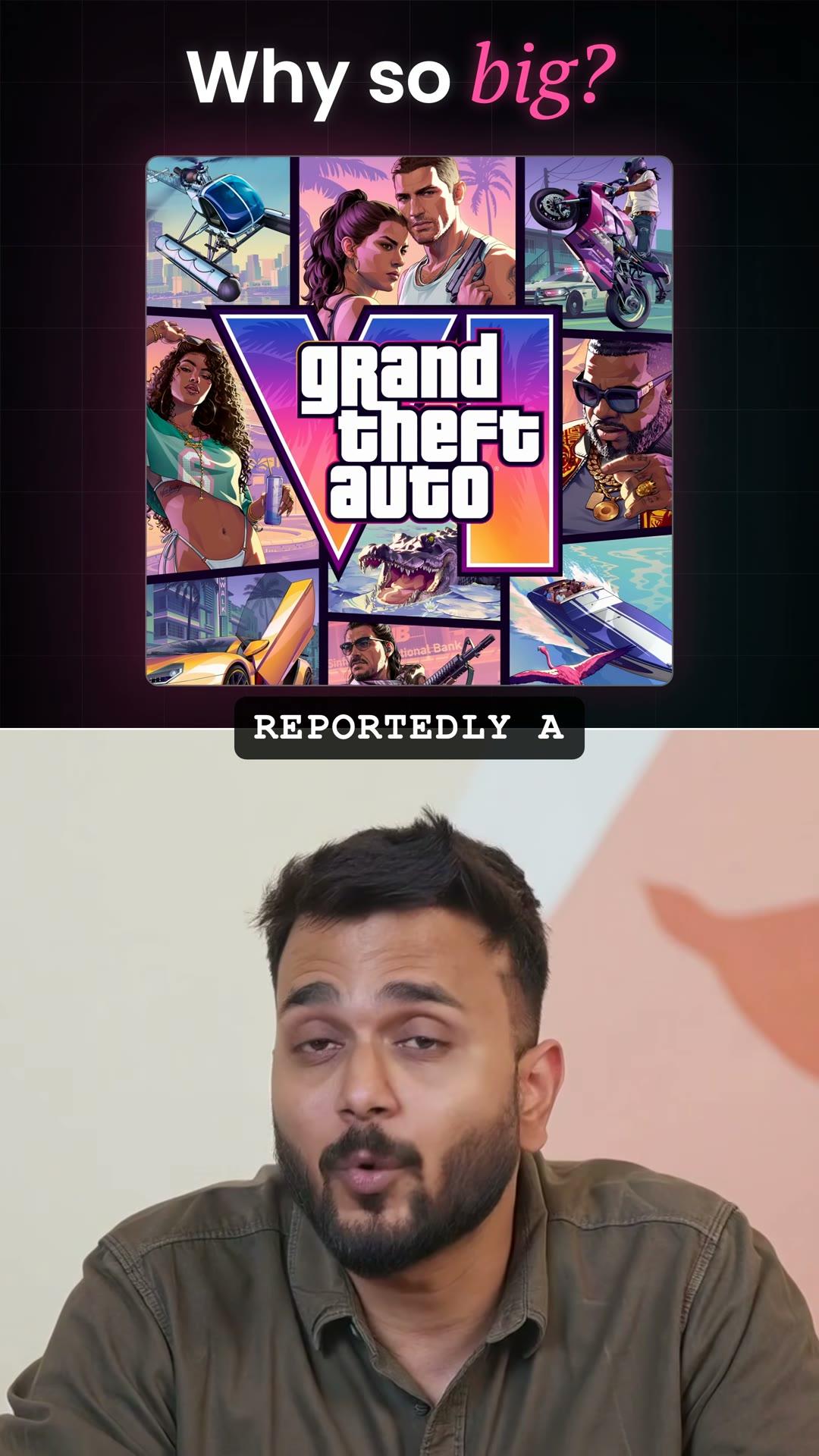
02
Why GTA 6 is 210 GB, with animated stat cards, and what that means on an Indian phone plan.
Watch the episode ↗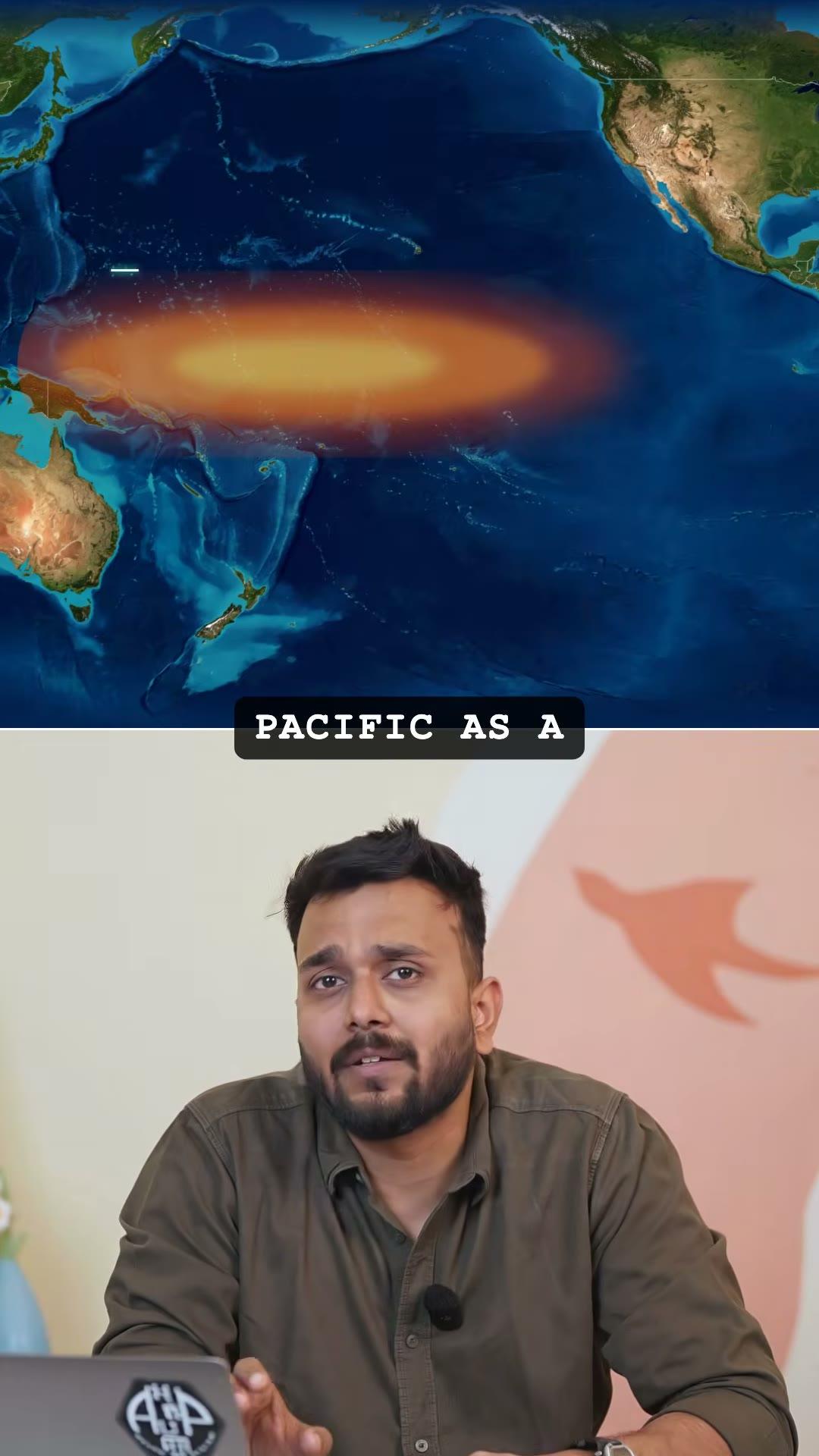
03
El Niño as a giant bathtub, with animated ocean maps showing how warm water moves the weather.
Watch the episode ↗
04
One bug behind Wikipedia and millions of WordPress sites, and why AI is helping both sides.
Watch the episode ↗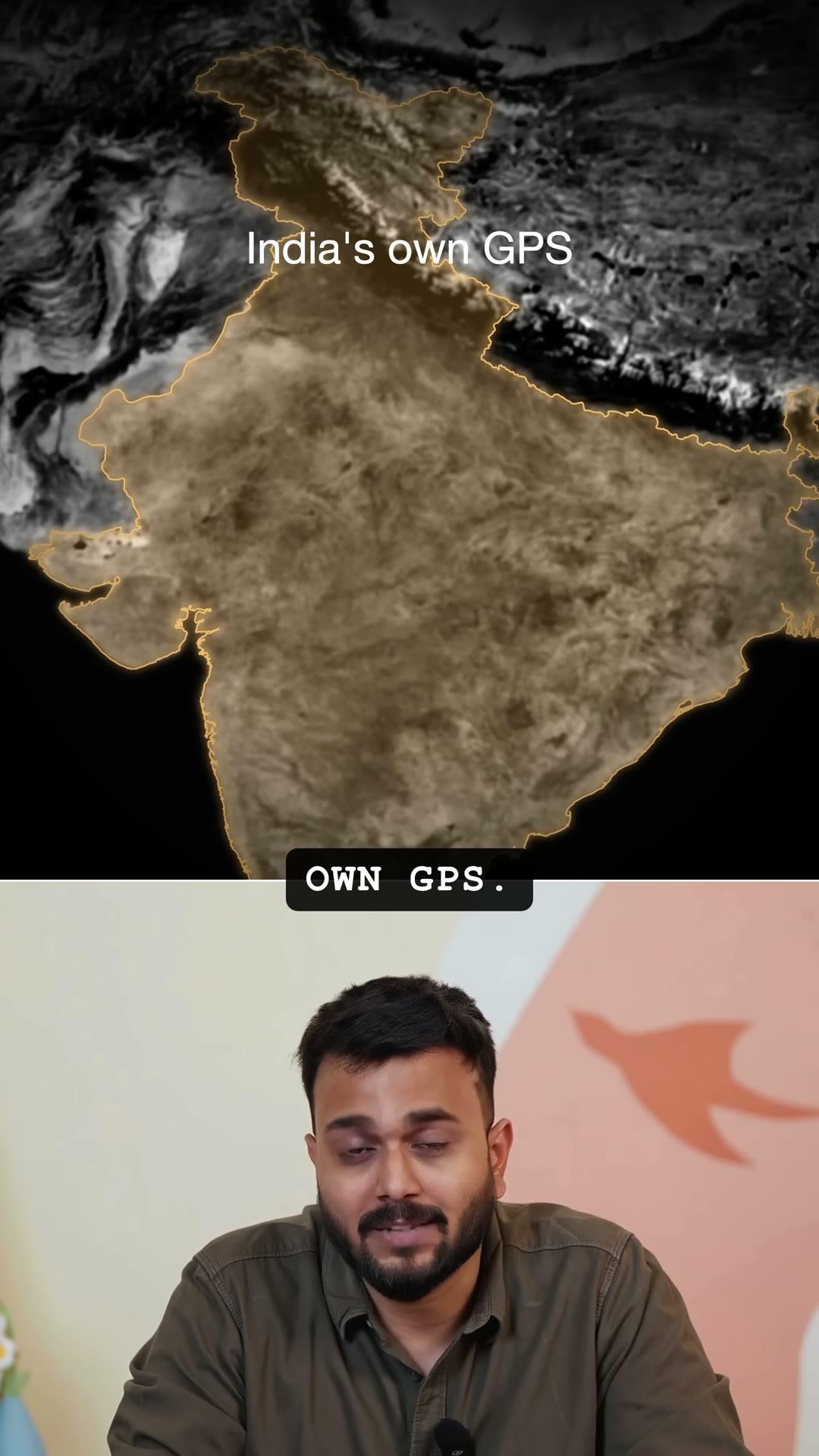
05
Why India's own GPS ran short of satellites, told through atomic clocks and a millionth of a second.
Watch the episode ↗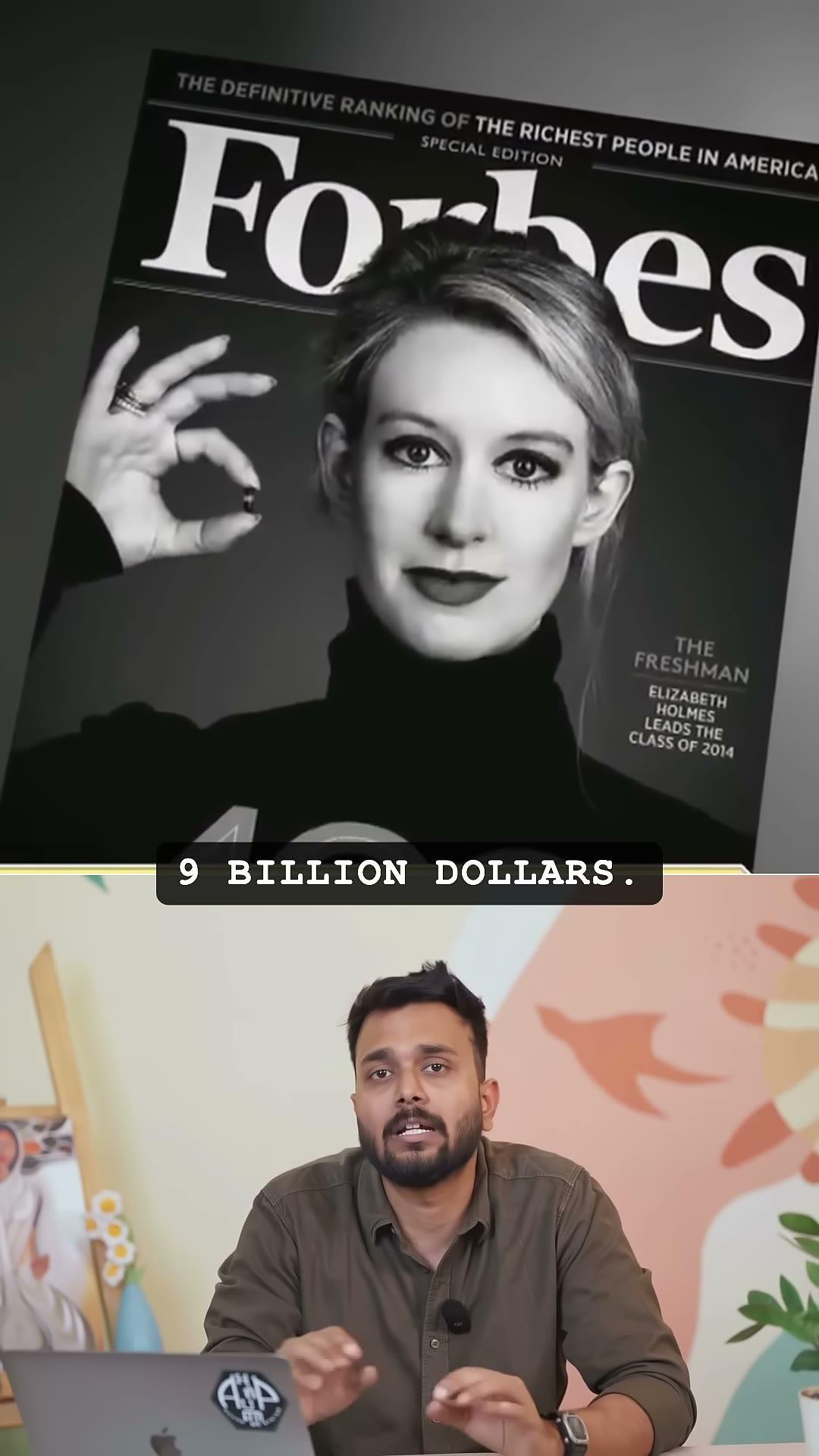
06
Why a finger-prick test could never replace a blood draw, in simple illustrated diagrams.
Watch the episode ↗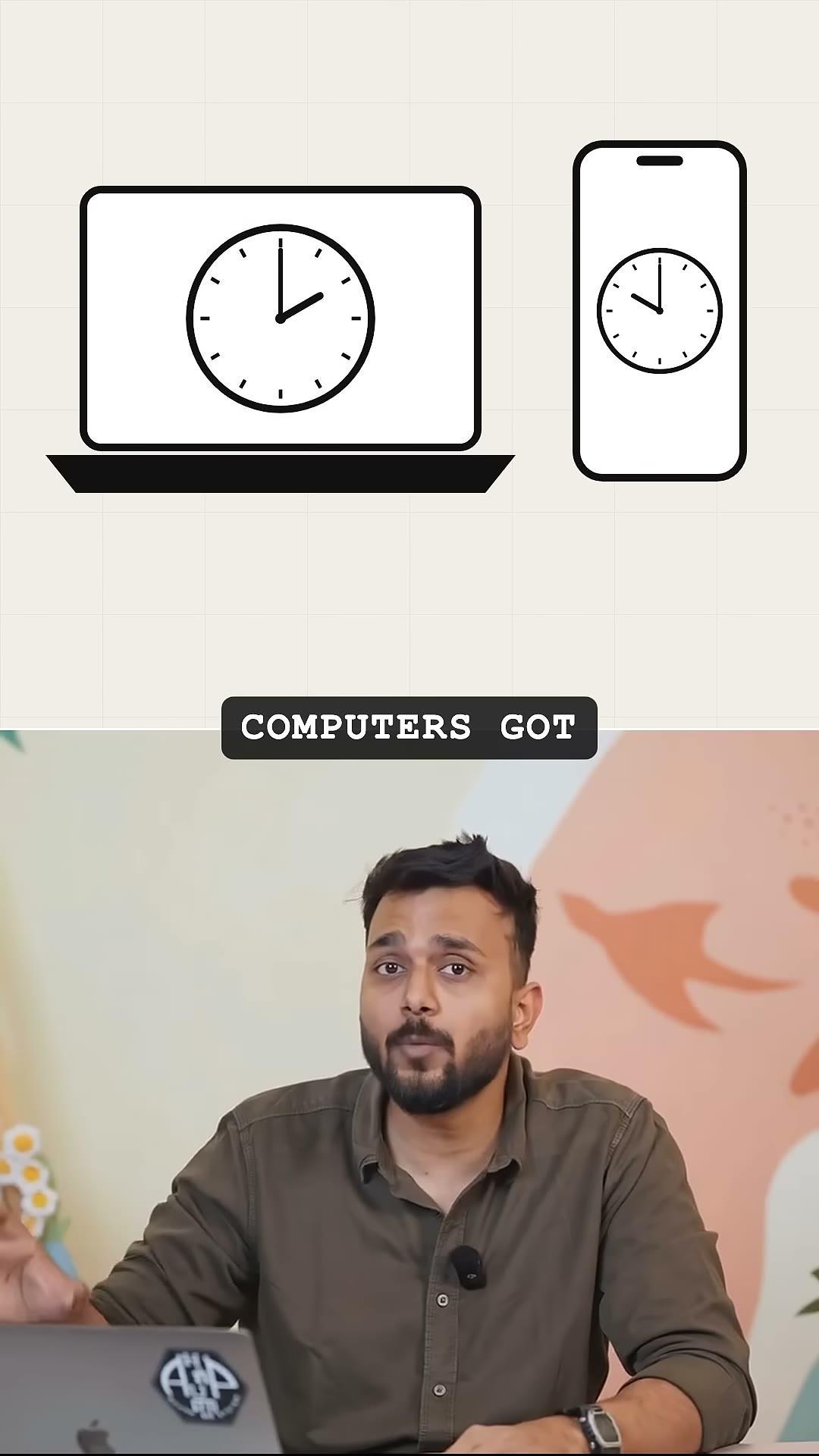
07
Who changes your phone's clock when daylight saving ends, with line illustrations of the rule book inside every phone.
Watch the episode ↗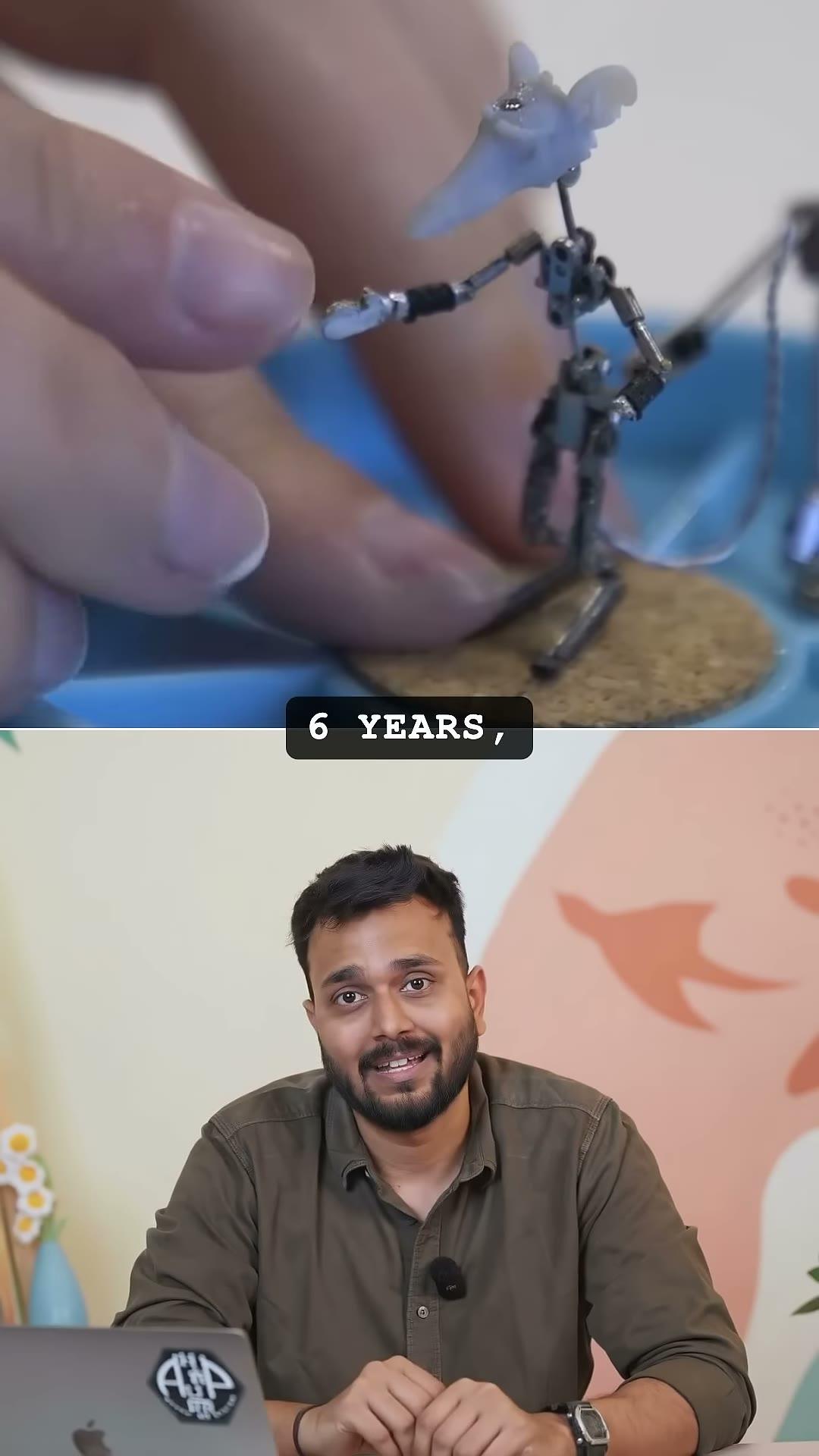
08
A stop-motion feature made by hand: puppets, swapped faces and seconds of film per week.
Watch the episode ↗Short answer
Explainer Shorts is a done-for-you series of one-minute vertical explainers. Your founder or expert records about 10 minutes once and names their subject. FDM does the rest: topics, scripts, the on-screen presenter, B-roll, animation, music, sound and the edit. We run the same system on our own YouTube channel, Raksham Explains, and make it for companies in India, the US, the UK, Australia and Europe.
Anyone can make one good Short. A series needs a repeatable way to find topics, write and shoot.
We run this format on our own channel. 8 recent episodes are on this page.
An explainer that gets a fact wrong costs more trust than it earns.
Every script is built from named sources, and your expert approves the claims.
Viewers leave the moment a Short tries to cover two things.
One question, one picture that makes it click: the bathtub for El Niño, the rule book for your phone's clock.
Stock footage alone makes every explainer look the same.
Maps, diagrams, stat cards and illustrations drawn for each episode.
A series that needs a busy founder on camera every week usually stops in month two.
They record about 10 minutes once and approve scripts. Their presenter is built from that recording, so the series keeps going.
Many people scroll on mute.
Word-by-word captions and on-screen labels in every episode.
From topic to feed
Your founder or expert talks to the camera for about 10 minutes and tells us the subject they want to be known for. We build their on-screen presenter from that recording. If they prefer to film every batch themselves, that works too.
Something your buyers are already hearing about this week, or a question they keep asking your team. We check the facts and the sources before anything is written.
One idea, one picture that makes it click, and a first line that earns the next second. Your expert approves the script. That is their main job from here on.
Presenter, B-roll, diagrams, maps and stat cards made for the script, text animation, music, sound effects and word-by-word captions, cut tight for a vertical feed.
Your expert checks every claim on a shared link. Then the next batch: one look and one voice across the whole series.
When it fits
Tick the ones that sound like you.
Before you brief us
A vertical video of about a minute where a presenter explains one topic, cut with graphics that make the idea easy to picture. FDM makes them as a series, so viewers start to expect the next one.
It is FDM's own YouTube channel, presented by our founder Raksham Shahu through a presenter built from his own recording. Every episode on this page comes from it. We use it to run the system we offer to clients: topic, script, presenter, graphics and edit, done by the same team.
Your founder or one of your experts. A recognisable person is what turns a set of videos into a series people follow. They record about 10 minutes once; after that, their part is approving scripts.
By default, yes: an avatar of your own expert, built from their recording, with their voice. It is on screen for short moments; most of each episode is B-roll, diagrams and animation that FDM makes for the script. It only ever says scripts your expert has approved, and we label AI-generated footage where a platform asks for it. If you would rather film in person, we can do that instead.
From what your buyers are already hearing about: news in your field, a launch, a number people argue about, or a question your sales or support team gets every week. We suggest topics and you pick.
We research each script from named sources before writing, and your expert approves every claim before we edit. We do not publish anything your team has not checked.
Vertical 9:16 videos for YouTube Shorts, Instagram Reels and LinkedIn. Captions are built in, so they work with the sound off.
Yes. FDM is based in Baner, Pune, and works with companies across India and remotely with teams in the United States, United Kingdom, Australia and Europe. The 10-minute recording can happen at our studio in Pune or where your expert is, and reviews happen on shared links.
We quote after a short call, because the number of episodes, how often they go out and how much research each topic needs all change the job. You can start with a first batch before committing to more.