
Outsource production, with subject approval clearly assigned
To outsource a patient-education video, define the audience and intended use, provide approved information, name the clinical reviewer and agree the production deliverables. Choose a partner using complete relevant films, not healthcare logos alone. Approve the meaning of the script and visuals before investing in the finished edit.
A production company can structure an explanation, edit an interview and make information visible. Medical, legal and regulatory decisions need the organisation’s qualified reviewers. This guide covers commissioning and production, not medical advice or a compliance assessment. FDM’s cited work demonstrates consumer health education and expert-led editing; it does not establish experience in every patient, clinical-training or regulated-device setting.
First decide who will watch and what they need to do
A consumer learning about a health topic, a patient preparing for an appointment and a clinician learning a procedure have different needs. Do not send an agency “healthcare education” as the entire brief. Specify the viewing situation, language, expected knowledge and approved next action.
CDC’s Clear Communication Index starts by identifying the audience, communication objective and main message. For commissioning, that becomes a useful question: what should this particular viewer understand after this particular film? It keeps a short video from becoming an attempt to cover an entire subject.
Illustrative, non-clinical brief: “Help first-time visitors find their appointment location using our current booking confirmation.” That can be demonstrated with approved example documents. “Explain all the care we provide” is a different assignment, with a larger scope and less obvious finish line.
Sources: CDC: Clear Communication Index
How should you evaluate a healthcare video company?
Ask for a complete example close to the format you need: an expert interview, an animated explanation or an instructional demonstration. Find out exactly what the supplier made. Editing a doctor-led podcast is relevant evidence of interview craft, but it is not evidence of clinical validation, patient filming permissions or specialist medical animation accuracy.
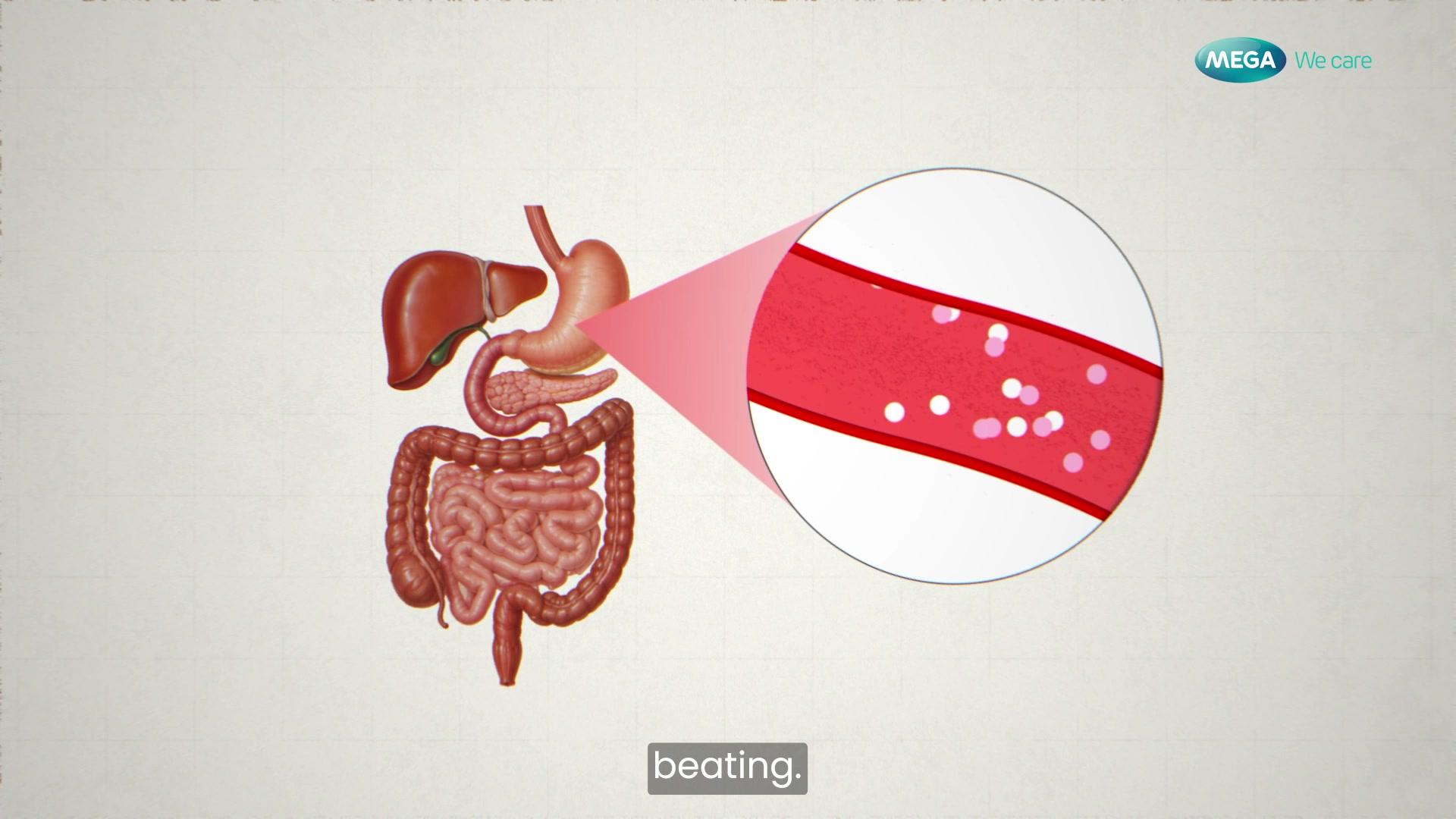
FDM’s Mega We Care collection includes the Vitamin D animated film and short expert-led videos such as “Everyday habits, explained” and “An expert conversation about stress.” The case study identifies editing, motion graphics, subtitles and repurposing as part of the scope. Watch how the formats differ before deciding which fits your subject.
For highly specialised anatomy, a procedure or device training, ask for directly relevant evidence and confirm the specialist review arrangements. If a supplier cannot demonstrate the capability, narrow their role or choose a different specialist. A familiar health-brand name should not end the due diligence.
What should you give the production team?
Prepare a small, usable source pack rather than forwarding an unlabelled folder. Include the approved information, the audience, the planned destination and a list of what the film must not imply. Mark provisional information clearly so it cannot accidentally become final narration.
For existing interviews, provide the original recording and available transcript, speaker names and titles, pronunciation notes and any sections that cannot be used. Confirm who has permission to authorise publication and which versions that permission covers. The production team should know where to send questions instead of guessing.
Have your privacy and legal owners determine what can be shared, with whom, through which tools and for how long. Avoid unnecessary patient information in a first enquiry. For identifiable patients or sensitive footage, resolve the required permissions and handling arrangements before transferring files; a generic production brief does not settle those obligations.
- Audience, viewing situation and approved next action
- Approved sources and a named subject reviewer
- Existing footage, brand assets and terminology
- Permissions, access and retention requirements set by the client
- Languages, captions, formats and delivery destination
- Review dates and one person who consolidates decisions
Use review gates that match the decisions being made
At the script stage, the qualified subject reviewer checks meaning, claims, limits and instructions. At the storyboard or interview-selection stage, they check whether the visuals or edits change that meaning. At the finished-cut stage, review the full combination of sound, text and image. This is a suggested production sequence to fit into the client’s review process, not a clinical standard.
Keep a record of the version approved, who approved it and any conditions. A producer can collect and implement notes; the client’s reviewer remains responsible for specialist approval. If a late correction changes the script, check whether narration, labels, captions and short versions all need updating.
Separate production corrections from new scope in the agreement. Correcting a misspelled approved term is not the same as replacing the topic after animation is complete. Ask the supplier to flag the schedule and cost effect before doing additional work. Everyone should be able to tell which decisions are still open.
What needs special care when editing doctor interviews?
Preserve the question an answer responds to. A sentence that is accurate in a longer conversation can become misleading when its conditions disappear. Watch for qualifications such as who the answer applies to, when it applies and what the speaker is not recommending. A stronger opening is not worth changing the meaning.
Illustrative editing problem: a speaker says a choice depends on an individual assessment, then explains possible options. A short that keeps only one option can sound like a universal recommendation. Keep enough context, add an approved question card or choose a different excerpt. Ask the subject reviewer to approve each standalone cut, not only the full episode.
Agree whether the assignment includes interview planning, filming or only post-production. Check the actual recording before promising a number of shorts. Some answers do not stand alone, and some audio problems cannot be fully repaired. A useful supplier should explain those limits before selling a large package.
Approve one representative video before commissioning a library
Choose a paid pilot with the same language, source quality, visual demands and reviewers as the intended series. An unusually easy first episode will not test the workflow you need. Agree the pilot’s scope and review rounds, then record which decisions should repeat and which belong only to that topic.
Ask intended viewers to describe what they understood and what they would do next, where audience testing is practical. AHRQ’s teach-back guidance describes checking understanding by asking people to explain information in their own words. A video cannot itself conduct a clinical teach-back conversation, but the distinction is useful: agreement or a positive reaction is not proof of understanding.
Test the rough cut before polishing every detail. If a label is confusing or an instruction is missed, changing it now is easier than repeating the problem across twenty films. Do not present a small informal viewing test as evidence of better patient outcomes.
What should be included in the quote and final handover?
Ask for separate scope lines for scripting, expert-interview editing, animation, captions, language versions, thumbnails and source files. Include review rounds and specify whether filming, travel, voiceover and specialist review are included or supplied by you. A price per finished minute cannot describe all those responsibilities.
Plan accessibility early. W3C’s guidance distinguishes captions, transcripts and descriptions of essential visual information. Decide what the viewing context requires and check the final files, including specialist terminology. Captions alone are not a blanket accessibility-compliance claim.
Before publication, check the exact approved cut in its intended player: can the viewer read the labels on a phone, understand the next action and access the required supporting information? Record the content owner and a future review trigger, such as an updated instruction or source. For FDM, start with the consumer-health and expert-led examples linked here, then discuss whether your brief fits that demonstrated work.
Sources: W3C: Making audio and video media accessibleFDM: Mega We Care films and FDM production scope
Sources and references
- Mega We Care films and FDM production scope · FDM · Checked 2026-09-24
- Healthcare video approval workflow · FDM · Checked 2026-09-24
- Clear Communication Index · CDC · Checked 2026-09-24
- Teach-back: checking understanding · AHRQ · Checked 2026-09-24
- Making audio and video media accessible · W3C · Checked 2026-09-24